Next-Gen Weight Loss Peptides: Why 99%+ HPLC Purity is the Ultimate Research Standard
By Dr. Alex Vance
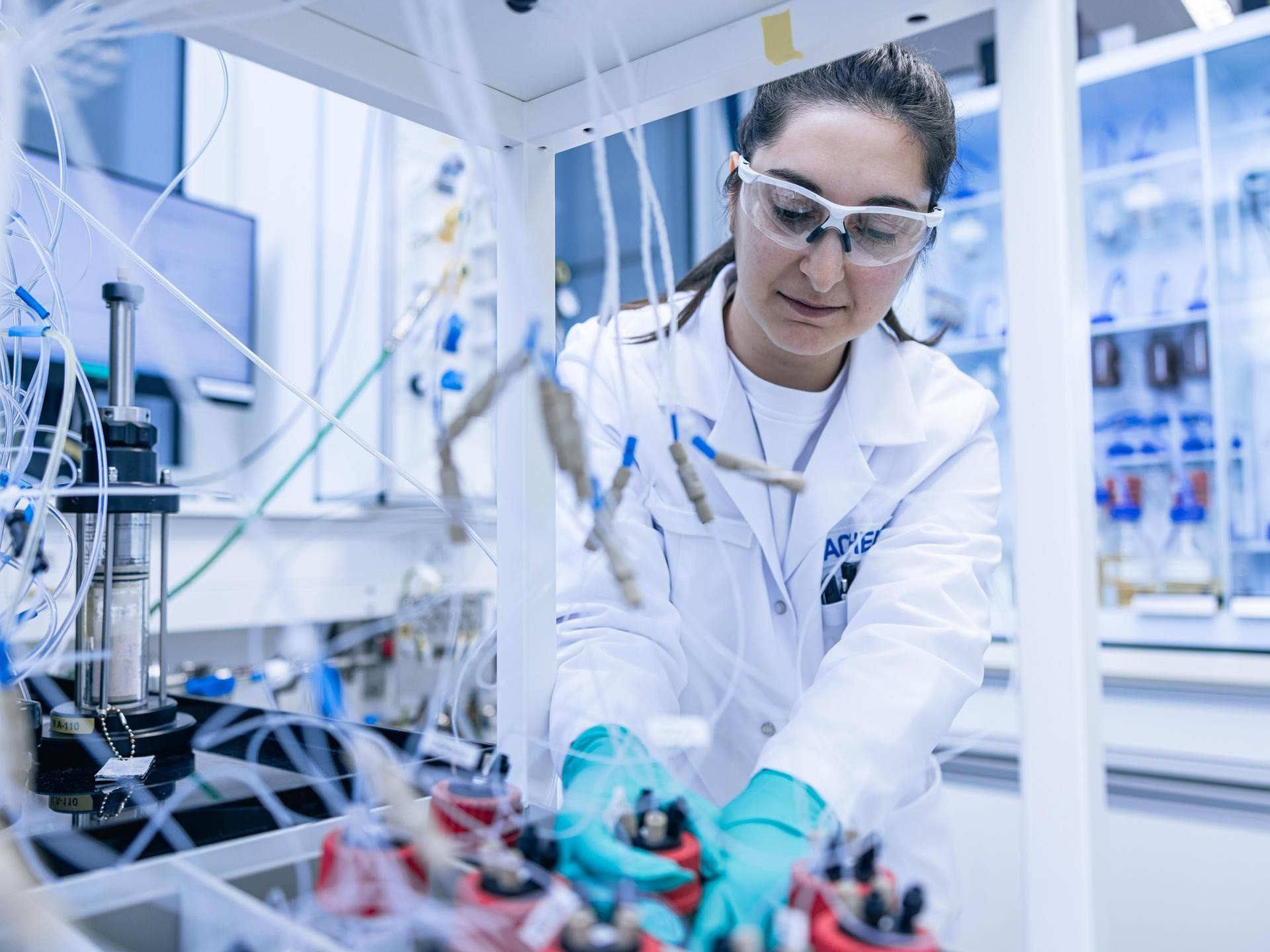
Beyond Semaglutide and Tirzepatide, a new wave of multi-receptor peptides like Retatrutide is redefining metabolic research. Discover why analytical purity is critical for accurate experimental outcomes.
The landscape of metabolic and weight loss research is evolving at a breathtaking pace. While first and second-generation GLP-1 receptor agonists like Semaglutide and Tirzepatide have dominated global headlines, the scientific community is already transitioning toward a new horizon dominated by multi-receptor agonists. For researchers and laboratory professionals, staying ahead of these trends while maintaining rigorous quality control is paramount to achieving reproducible, groundbreaking data.
The Rise of the Triple Agonist and Beyond
The current trend in metabolic research has shifted fundamentally from single-target molecules to multi-targeting peptides. Early research focused solely on the GLP-1 receptor, which laid a solid foundation. Soon after, dual-targeting peptides combining GLP-1 and GIP emerged, showing enhanced synergistic effects on metabolic rate and adipose tissue reduction in laboratory settings.
Today, the major breakthrough comes in the form of triple agonists, which target GLP-1, GIP, and Glucagon receptors simultaneously. Commonly studied under the name Retatrutide, this compound stimulates three distinct pathways to maximize energy expenditure and lipid metabolism in animal models at unprecedented rates. For any modern laboratory focusing on metabolic health, exploring how these multi-receptor blends operate is currently the most significant trend in the industry.
Why 99% HPLC Purity is Non-Negotiable
As global demand for these advanced peptides skyrockets, the market has unfortunately seen a surge in sub-standard chemical compounds. In strict laboratory research, even a tiny two or three percent variance in purity can completely ruin an experimental model and falsify results.
This is where High-Performance Liquid Chromatography, or HPLC testing, becomes critical. First, it eliminates unpredictable variables. Impurities or residual solvents left behind during cheap peptide synthesis can cause unintended cellular reactions, which skews your research data. Second, achieving a true ninety-nine percent purity rating via third-party HPLC verification ensures absolute consistency. It guarantees that the biological response observed in your subject is strictly due to the peptide itself, rather than an unlisted contaminant. Finally, highly purified peptides maintain their structural integrity much longer during storage and reconstitution, saving laboratories both time and budget.
Safety and Compliance in Modern Research
As research trends grow, so does regulatory scrutiny worldwide. It is vital for contemporary studies to emphasize that these compounds are strictly designated for in vitro and laboratory research use only. Ensuring that your materials are sourced exclusively from facilities utilizing strict third-party verification safeguards not only the validity of your science but also the overall integrity of your research protocols.
The future of weight loss and metabolic research clearly lies in advanced multi-target molecules. However, the value of that future depends entirely on the chemical purity of the compounds used today. To ensure accurate, reproducible, and undeniable results, researchers must demand nothing less than premium, HPLC-certified purity.