BPC-157 and TB-500: A Review of Current Research in Tissue Repair
By Dr Alex
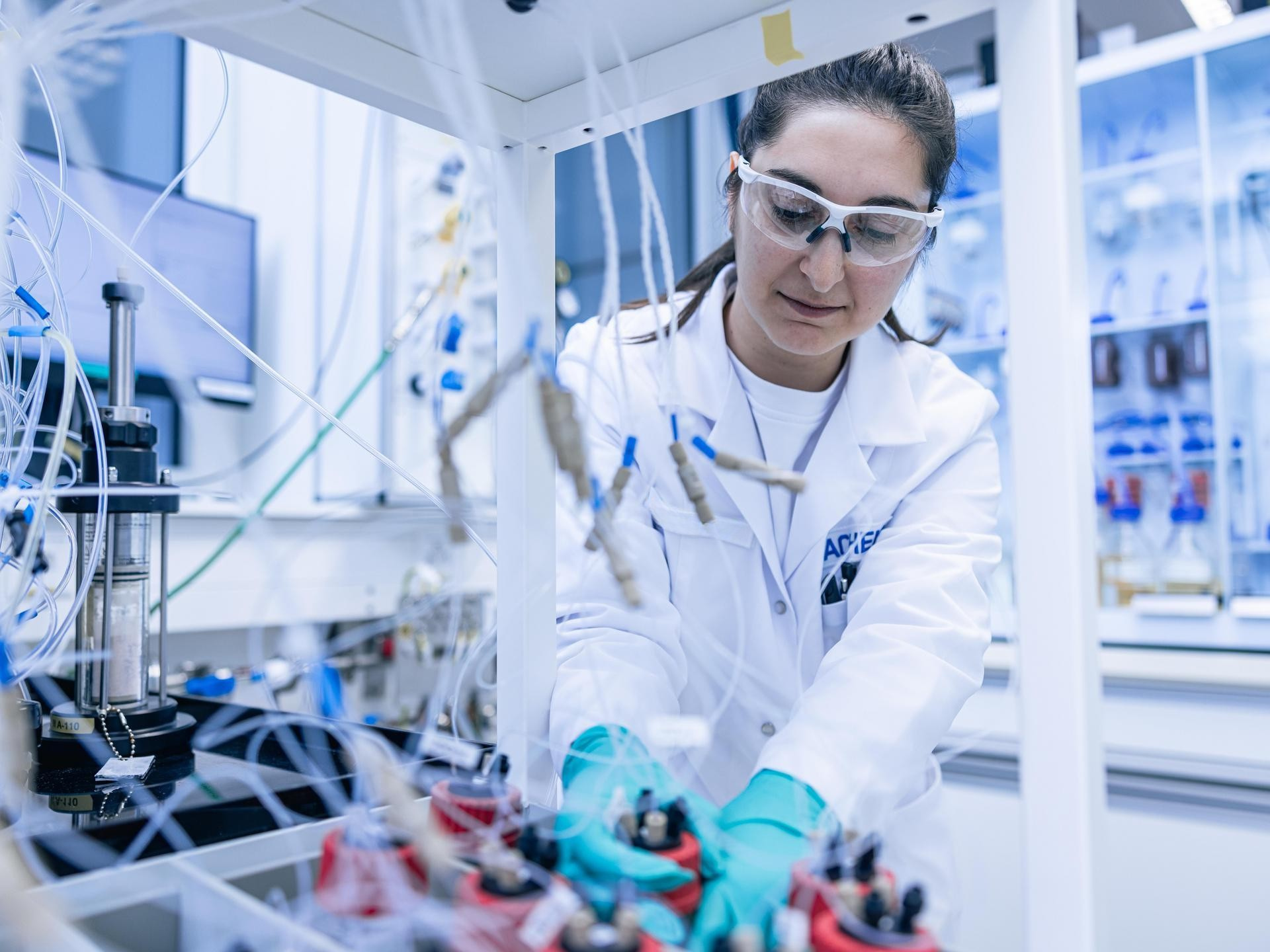
An overview of the mechanisms behind BPC-157 and TB-500, exploring their potential roles in cellular modulation, angiogenesis, and structural tissue recovery.
The investigation into regenerative peptides has increasingly focused on the synergistic potential of BPC-157 and TB-500, compounds demonstrating profound modulatory effects on cellular repair mechanisms. In the vanguard of regenerative medicine, these synthetic peptides offer compelling avenues for structural tissue recovery and systemic modulation, moving beyond traditional pharmacological interventions.
BPC-157, a pentadecapeptide originating from the gastric milieu, is primarily distinguished by its robust pro-angiogenic properties. Current research paradigms indicate that its systemic administration accelerates the formation of novel vascular networks through the VEGFR2-Akt-eNOS signaling pathway. This angiogenic stimulation is critical for delivering oxygen and essential nutrients to ischemic or traumatized tissues, thereby accelerating the healing cascade. Furthermore, in vitro studies on tendon fibroblasts demonstrate that BPC-157 catalyzes cell motility and structural repair via the activation of the FAK-paxillin pathway, presenting significant implications for connective tissue trauma and muscular recovery.
Conversely, TB-500—a synthetic analogue of the naturally occurring protein Thymosin Beta-4—operates through distinct, yet complementary, cellular mechanisms. Its primary therapeutic mechanism revolves around the regulation of actin, a highly conserved protein vital to cell architecture and motility. By modulating actin polymerization, TB-500 facilitates the rapid migration of reparative cells to the locus of injury. Additionally, empirical evidence underscores its immunomodulatory capacity, which serves to attenuate the chronic inflammatory responses that typically impede optimal, scar-free tissue regeneration.
While both compounds accelerate recovery, their functional utility diverges based on these mechanisms. BPC-157 acts primarily as a systemic cytoprotective agent driving blood vessel formation, whereas TB-500 functions fundamentally at the structural level to mediate cellular migration and myofibrillar repair.
Navigating the landscape of research compounds requires an uncompromising standard of purity and molecular integrity. The dichotomy between standard research-grade and true pharmaceutical-grade syntheses is dictated entirely by stringent analytical validation. For those sourcing these compounds, empirical verification through third-party High-Performance Liquid Chromatography (HPLC) and Mass Spectrometry is non-negotiable.
At https://peptidesweight-loss.com, this rigorous analytical framework forms the cornerstone of our procurement protocols, ensuring that the theoretical efficacy observed in clinical literature is matched by the uncompromising purity of the compound.