The Science of Peptide Degradation: How to Maintain Stability in Metabolic Research
By Clinical Research Specialist
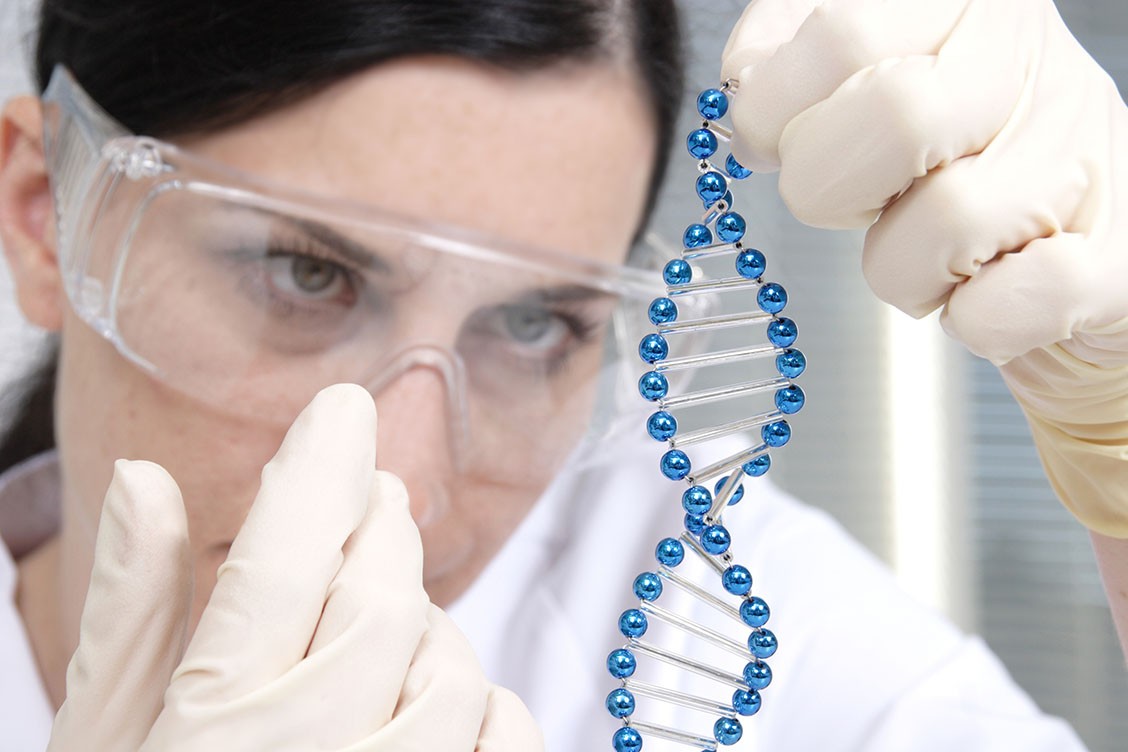
Peptides are highly potent but incredibly fragile molecular structures. Understand the critical factors behind peptide degradation during transit and reconstitution to safeguard your research data.
The success of any laboratory experiment involving metabolic research depends not only on the initial purity of the compounds used but also on their structural integrity at the exact moment of testing. Peptides, by their very nature, are short chains of amino acids linked by peptide bonds. While they are highly effective tools for studying weight loss and metabolic pathways, their delicate structures make them highly susceptible to environmental stress. For researchers, understanding how and why these molecules degrade is essential to avoiding altered data and ensuring reproducible results.
Environmental Stressors During Transit and Storage
From the moment a peptide is synthesized to the time it reaches the laboratory bench, it faces several hidden threats. Temperature fluctuations are the most common cause of premature degradation. When exposed to heat, the delicate bonds holding the peptide chain together can unfold or break, rendering the compound biologically inactive. This is why premium research materials must be stored in a lyophilized, or freeze-dried, state. Lyophilization removes water from the equation, significantly locking the peptide structure into a stable form that can withstand global shipping conditions.
However, temperature is not the only variable. Exposure to direct light, particularly ultraviolet radiation, can trigger photochemical reactions that alter the chemical composition of the molecule. Moisture is another critical factor. If a vial is poorly sealed and allows ambient humidity to enter, hydrolysis can occur, breaking down the peptide before the researcher even begins reconstitution.
The Critical Window of Reconstitution
The phase where a peptide is most vulnerable occurs inside the laboratory during reconstitution. Introducing a sterile solution to a lyophilized powder transitions the peptide from a highly stable state to a highly volatile liquid state. The choice of the reconstitution liquid is paramount. Using water with an incorrect pH or a solution containing microscopic impurities can instantly cause the peptide to aggregate, meaning the molecules clump together and lose their chemical efficacy.
Mechanical stress is another frequently overlooked hazard. Aggressive shaking or vortexing a vial to dissolve the powder can physically shear the delicate peptide chains. Instead, seasoned researchers know that gently swirling the liquid along the glass wall is the only safe method to preserve the structural arrangement of the compound. Once reconstituted, the clock begins to tick, as peptides in liquid form degrade exponentially faster than their freeze-dried counterparts, demanding strict refrigeration and rapid utilization.
Securing Academic and Experimental Integrity
In high-stakes metabolic research, using a partially degraded peptide can lead to catastrophic errors in data collection. A researcher might conclude that a compound is ineffective, when in reality, the molecule was simply damaged prior to the analysis. Ensuring that vials are structurally sound, vacuum-sealed, and derived from facilities that respect strict stabilization protocols is the only way to eliminate these frustrating experimental variables.
Ultimately, the validity of scientific discovery relies on absolute control over every parameter. By mastering the principles of peptide stability, handling, and storage, laboratories can confidently produce groundbreaking insights into metabolic health and weight loss science.